
Huntington Beach, CA

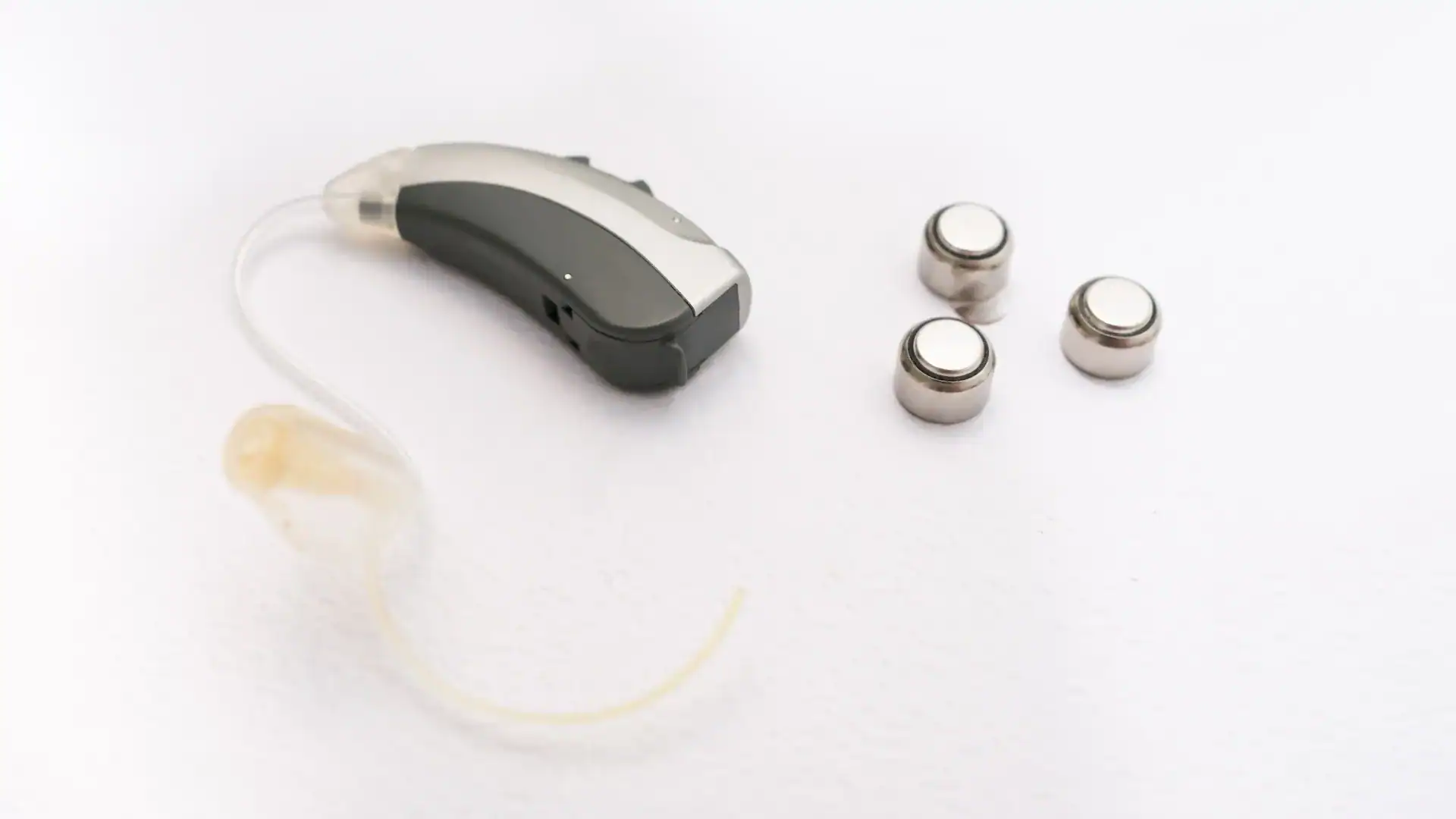
Hearing Aid Repair Solutions for Broken Battery Compartments
Dealing with a broken battery door creates immediate frustration because it silences a primary connection to the world. These small plastic components endure constant pressure and frequent handling, which eventually leads to stress fractures or snapped hinges.
While a damaged compartment seems like a minor physical flaw, it prevents the power source from making a secure contact. This disruption stops the device from functioning entirely. Understanding the specific ways to address these mechanical failures helps restore sound quality and extend the life of the investment.
Using Temporary Adhesive Tape Fixes
Small cracks often appear on the outer casing of the battery drawer before the part actually snaps off. Applying a tiny piece of clear medical tape provides enough tension to keep the door closed during emergency situations. This quick fix works well when someone needs to get through a dinner or a meeting without the device popping open.
Owners must ensure that the tape does not block the tiny air holes found on zinc-air batteries, as this would starve the hearing aid of power. While this method offers a short-term patch, the adhesive residue eventually requires professional cleaning to avoid buildup.
Replacing the Pivot Pin Connector
Many battery compartments fail because the tiny metal pin holding the hinge in place slides out or bends. A technician can often push a displaced pin back into the correct alignment using specialized jewelry tools or fine-tipped pliers. If the plastic around the pinhole has stretched, the door will feel wobbly and might not latch with a satisfying click.
Replacing a bent pin restores the smooth swinging motion necessary for easy daily battery swaps. This specific mechanical repair avoids the cost of a full housing replacement while making the device feel sturdy and reliable once again for the wearer.
Installing Brand-New Battery Doors
When the plastic latch actually snaps off, the most effective solution involves installing a completely new battery drawer. Manufacturers provide these individual components to clinics so that a full factory repair is not always necessary for a simple plastic break. A skilled hearing health professional removes the old hinge remnants and snaps a fresh door into the existing housing within just a few minutes.
This replacement restores the airtight seal and ensures the battery stays pressed firmly against the internal gold contacts. It remains one of the most common and successful onsite repairs performed in a standard hearing care office environment.
Cleaning Corroded Contact Springs
Sometimes the battery compartment appears broken because the door will not stay shut due to internal buildup. Battery acid leaks create a crusty blue or white residue that pushes against the door and prevents a flush fit. Gently cleaning these metal springs with a specialized electronic cleaner and a micro-brush often allows the compartment to close properly again.
If the corrosion has eaten through the metal, the spring might need a professional soldering job to regain its shape. Keeping these internal areas dry and clean prevents the physical strain that leads to many common battery door-snapping incidents.
Adjusting the Internal Tension Tab
The small metal tab inside the compartment provides the spring force that holds the battery in place against the door. If this tab gets flattened over time, the battery rattles around, and the door might feel loose or unlatched. Bending this tiny gold-plated strip back into its original curved position often solves the problem of a door that seems broken but is actually just lacking internal pressure.
This delicate adjustment requires precision to avoid snapping the metal, but it successfully restores the electrical circuit. Proper tension ensures that the hearing aid stays powered even during heavy physical movement or exercise.
Seeking Expert Technical Assistance
If your battery door keeps popping open or the frame feels warped, basic adjustments usually won’t cut it anymore. These structural issues require precise reconstruction using professional-grade materials to restore the original strength and fit of your device.
Our team provides the detailed diagnostic check needed to see if a simple part swap or a full factory overhaul is the right move for you. Don’t struggle with a faulty hearing aid any longer. Give our office a call today to schedule a repair and get everything working perfectly again.