
Huntington Beach, CA

The Professional’s Guide to Healthy Ears for Swimmers
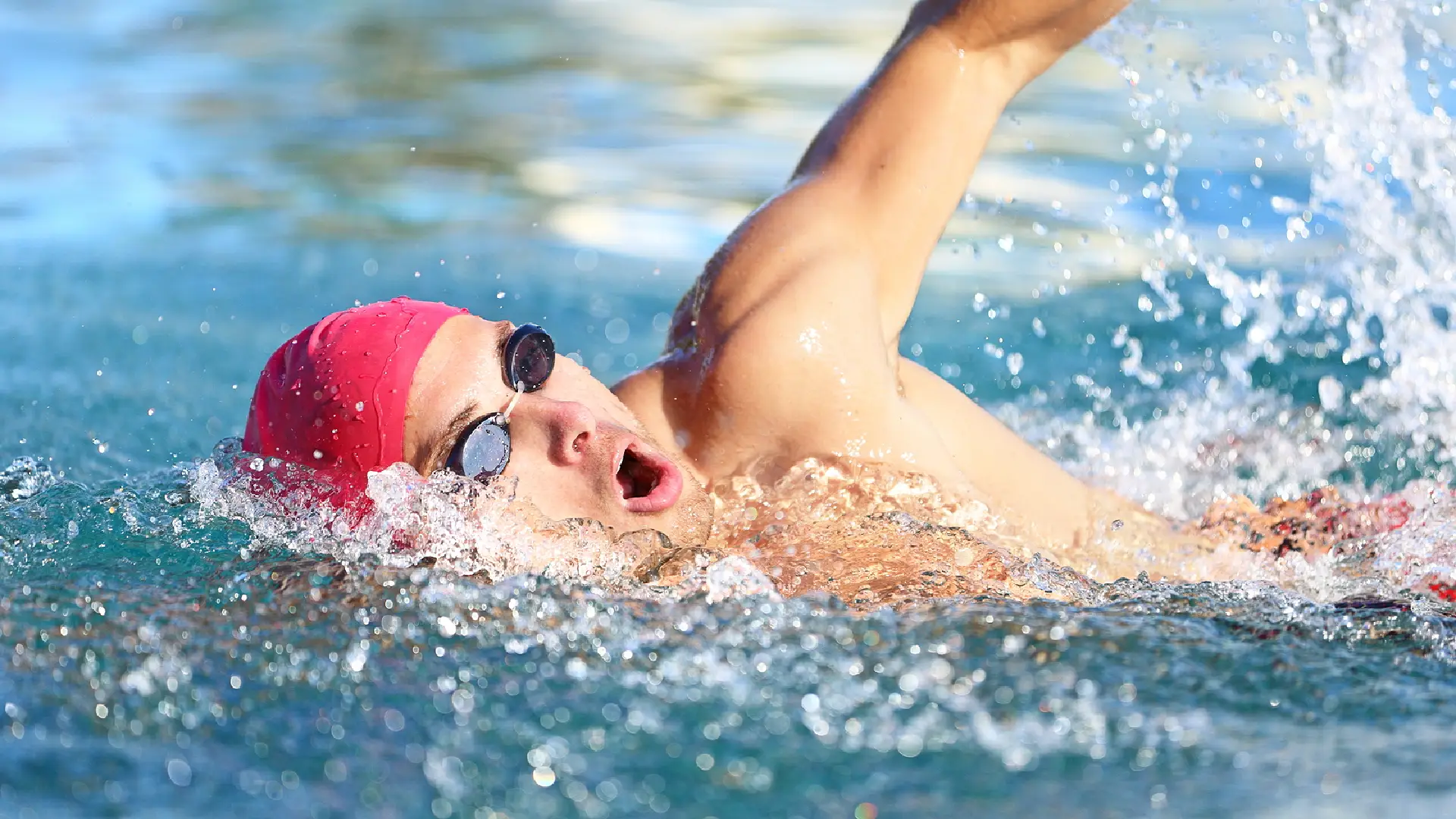
Swimming is an invigorating activity, but regular exposure to water can present challenges for ear health. Moisture trapped in the ear canal can lead to irritation, infections, and in some cases, discomfort that affects hearing. With proper precautions, many swimmers maintain regular swimming, but those with recurring ear troubles may need to adapt activities or seek professional advice
Understanding the impact of water, adopting preventive measures, and creating effective routines ensures that ears remain comfortable and protected. Attention to ear care allows swimmers to stay active while minimizing the risk of complications from prolonged exposure to moisture and pool environments.
Understanding the Risks
Water that enters the ear canal can create a warm, moist environment ideal for bacteria and fungi to grow. Swimmers are particularly prone to external ear infections, commonly known as swimmer’s ear, which can cause pain, swelling, and temporary hearing issues. Recognizing early symptoms such as itching, redness, or fluid drainage helps prevent more serious complications.
Repeated water exposure can increase the risk of irritation or infection, especially if proper drying and ear care aren’t followed. If pool water is heavily chlorinated or water. Awareness of these factors allows swimmers to take steps that reduce the likelihood of infections or long-term discomfort.
Preventive Measures in the Pool
Custom-fit earplugs are an effective solution for many swimmers. They create a barrier that reduces water entry while allowing sound to be heard, making them suitable for training and casual swimming alike. Using earplugs consistently helps prevent water from lingering in the ear canal and reduces the chance of irritation or infection.
After swimming, swimmers can gently tilt the head and gently dry the outer ear with a soft towel or allow water to drain. If the eardrum is intact and there are no ear canal problems, one can choose to use a mild drying solution to evaporate residual water, though this should be done cautiously and not every time.
Managing Earwax and Moisture
Earwax helps protect the ear canal’s skin, so avoid aggressive cleaning, which can damage the canal and increase infection risk. Routine monitoring of earwax levels and safe cleaning practices help maintain balance without causing injury. Avoiding cotton swabs or inserting objects into the ear canal prevents accidental damage while keeping the ears healthy.
Water or sweat may remain trapped in the canal after swimming, so drying carefully is advisable. Drying the external ear gently and using absorbent cloths or drying aids supports ear canal health. Consistent attention to moisture management complements preventive measures, reducing irritation and maintaining comfort during extended water activities.
When to Seek Professional Support
Persistent discomfort, swelling, or recurring infections warrant consultation with a hearing health professional. Early intervention ensures that minor problems do not develop into chronic conditions or cause long-term hearing issues. Professionals can recommend specialized treatments, custom ear protection, or monitoring strategies for swimmers at higher risk.
Even routine checkups provide valuable insight into ear canal health. Swimmers who incorporate regular evaluations into their schedules can track subtle changes, address early warning signs, and ensure that their ears remain resilient despite frequent water exposure. Professional guidance reinforces effective habits and enhances overall well-being.
Balancing Training with Ear Health
Many swimmers continue their regular routine with minimal disruptions, as long as they follow good ear-care practices such as using ear protection, drying carefully, and avoiding ear canal trauma. That said, individuals prone to recurrent infections may need to adjust swimming frequency or take extra precautions.
Swimmers benefit from integrating preventive practices into their daily routines, creating a balance between rigorous activity and ear protection. Prioritizing ear health ensures that training remains uninterrupted, comfort is maintained, and hearing remains clear for years of active swimming.
Taking Action for Long-Term Comfort
A consistent ear care routine may reduce the risk of problems and support comfort and hearing longevity. Using ear protection, managing moisture, monitoring wax, and consulting professionals when necessary provides a comprehensive approach to long-term ear health.
Scheduling a checkup or assessment offers reassurance and personalized guidance. Swimmers who take proactive steps maintain clarity, avoid interruptions, and enjoy every session in the water with confidence. Consistent care can help support healthy ears, laying the foundation for a lifelong enjoyment of swimming.